The Atlantic Seaboard. Scarcity as a Measure of Permanence.
July 17, 2026
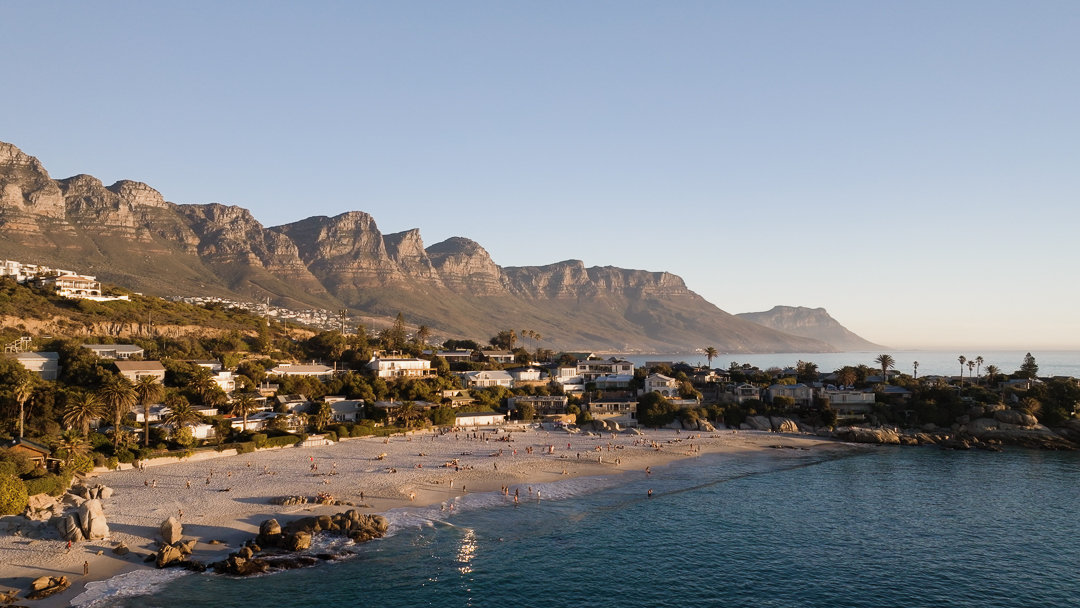
There are only a handful of coastlines in the world that belong to the same conversation, and most of them announce themselves. The Atlantic Seaboard does not. It reveals its standing slowly, to those who arrive expecting one thing and leave understanding another.
Philip Gullan of Team Gullan has spent years at the top of this market. When an international buyer asks him where the Atlantic Seaboard sits among the world's great coastal addresses, his answer is measured. It belongs, he says, to a very small global conversation. The coastline combines things that are seldom found together: dramatic natural beauty, sophisticated architecture, a well established legal system relative to other emerging markets, and, above all of it, a way of living that is very difficult to replicate anywhere else. It is not Monaco or Malibu or the south of France. It sits alongside them, quietly, as one of the great coastal addresses.
What buyers assume before they arrive is telling. Most, Gullan says, assume they are going to find value. What changes their mind is not a brochure. It is scale. Something very difficult to grasp from photographs is the sheer size of everything, the experience of standing between the mountains and the Atlantic Ocean. And at that point the conversation shifts. It moves from what does this cost to how can I get something here. That shift, from appraisal to desire, is the beginning of any serious Atlantic Seaboard investment, and it happens in person, almost never on paper.
The geography is the argument
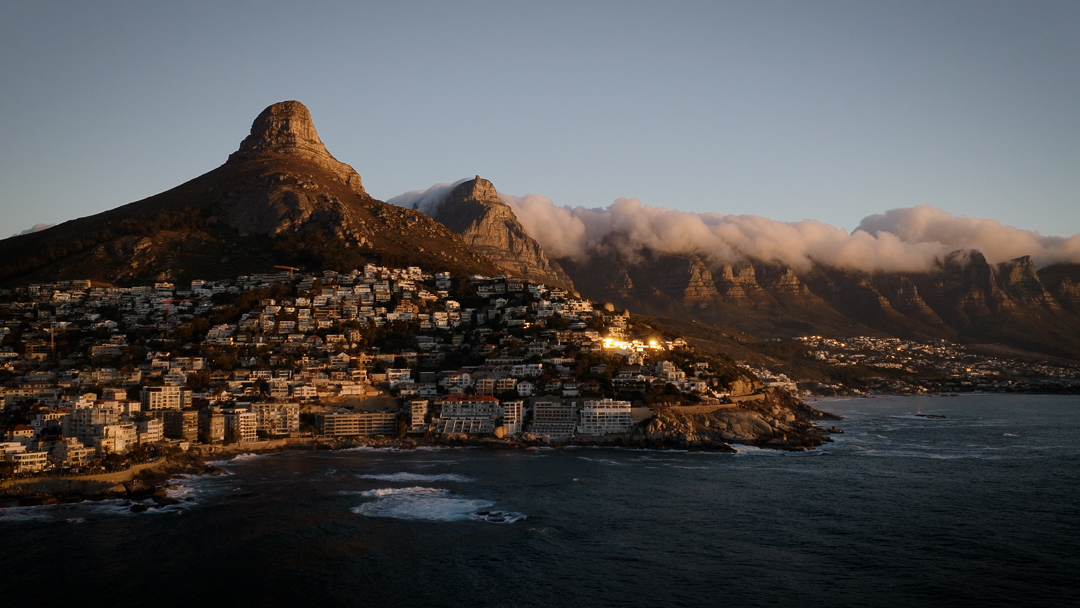
The reason the coastline holds its worth is not sentiment. It is geography. Mountain on one side, ocean on the other, and a narrow band of land pinned between them. Supply here is not constrained by policy or by preference. It is constrained by the shape of the earth, which does not negotiate.
All the best sites were identified many years ago, Gullan says. For the most part, what you see now is older homes being redeveloped. There is no new frontier and no next release. There is only what already exists, changing hands slowly and being remade carefully. Which brings him to the line that holds the entire market in a single sentence.
You're not buying luxury. You're buying scarcity.
It is worth sitting with that sentence, because it inverts the way most luxury markets ask to be understood. Elsewhere, the product is the residence and the location is the setting. Here, the location is the product. The residence is how you take possession of it.
More than a view
It would be easy to explain the Atlantic Seaboard through beauty alone, and easy to overstate it. Gullan is careful not to. What he returns to instead is the texture of a day. Beaches on the doorstep. The mountain within reach. A mature luxury property market. A climate that rewards being outdoors. In a single day, he notes, you can swim in the ocean, hike the mountain, visit a wine farm, and dine at a world class restaurant, and he struggles to name another city that offers all of it together.
The effect of that, over time, is a quiet shift in how people regard the place. It becomes, in his words, less of a holiday destination and more of a place to live. The distinction matters to value. A holiday home is a discretionary purchase, the first thing rationalised away when circumstances change. A place to live is a commitment, and commitments are held.
Three things that hold value
Ask Gullan to describe value to someone deciding where to place capital and he does not reach for adjectives. He counts.
There are three, he says. The first is scarcity. There is never going to be any more land here. What you have now is what you have. The second is lifestyle, that quality of daily life that is so difficult to replicate. The third is replacement cost. To build here grows more expensive every year, so once someone has something, they hold on to it.
When those three factors combine, he says, it provides true resilience. It is a plain word for a rare quality. When wider markets soften, Atlantic Seaboard owners are quite resilient, in his experience. They are not forced to sell, because what they hold is not a speculation but something singular. The Atlantic Seaboard investment case, reduced to its essentials, is that the downside is protected by the same fact that created the upside: there is no more of it.
One coastline, several worlds
Spoken of from a distance, the Atlantic Seaboard sounds like a single place. Up close it is several. You have these little pockets, Gullan says, where lifestyle can be completely different, and the differences are worth understanding before deciding where to hold.
Clifton is its own case, incredibly unique even by the standards of this coastline. Amazing beaches, and land more limited than almost anywhere else on the seaboard. In a place where scarcity is already the rule, Clifton is the exception to it. There are a handful of residential sites, and there are really no sites left to develop.
Bantry Bay is the flip side of that coin. Beautiful, wind free, in fact the most wind free location in Cape Town, and more inviting to a buyer who prefers discretion and privacy over a Clifton address. It is, he suggests, for someone who understands Cape Town, who knows the weather and the rhythms of the city better than most.
Fresnaye moves another step on from both, more family orientated, more suburban in the best sense, the settled interior of the coastline rather than its front row. These pockets are not interchangeable, and the choice between them is rarely about budget. Where a buyer chooses to hold says a great deal about what they are actually choosing.
Held, not traded
What unites the coastline is what happens after the purchase, and it is here that Gullan's observations turn from market analysis to something closer to anthropology. When people are able to get a hold of a truly unique site in Cape Town, they become custodians of that. It's something that they want to hang on to for generations.
It makes his job a little more difficult, he admits, and he understands it completely. You cannot replace it. At the very top of the market, the most discerning buyers are not paying for luxury, necessarily. They are paying for something that cannot be replaced: position, privacy, protected views. The question that matters to them is not what does it cost. It is, in Gullan's words, will this become available again.
Permanence, then, becomes the brief. Architectural integrity becomes important, build quality becomes important. His best clients ask him for the same thing: find me the best quality. And when they find it, the conversation changes, from something that feels temporary to something that could last a long time for them and their family.
This is the quiet conclusion of the whole investment case, and the reason an Atlantic Seaboard investment behaves differently from most luxury property. The coastline's value is not an opinion that fluctuates. It is a fact of geography, compounded by the people who understand it well enough never to let go. In understanding scarcity, one begins to understand the Atlantic Seaboard. And in understanding the Atlantic Seaboard, one begins to understand what it means to hold something that cannot be made again.
